

International Literacy Day: Joburg teacher shares tips to help your child develop a love for reading
As the world marks International Literacy Day, here are five simple things parents and guardians can do at home to encourage children to develop a love for reading.
Reading is one of the most important skills children can develop, but for many South African learners, reading remains a major challenge.
A recent report by the Department of Basic Education found that 25% of Grade 3 learners could not read a single word, while 15% scored zero in recent reading assessments.
The findings come after a report published on the University of the Western Cape, which found that 81% of Grade 4 learners in South Africa could not read for meaning in any language.
The concerning figures have highlighted the need for stronger measures to improve literacy among South African children.
Learning does not only happen in the classroom. The home can also play an important role in helping children develop their reading skills and, importantly, develop a love for books. While schools and teachers have an important role to play, parents and guardians can also create an environment at home where reading is encouraged and celebrated.
This Literacy Day, Johannesburg Kabelo Sethe from West Rand Private School, shares meaningful things parents and guardians can do to encourage children to read.
Let your child see you reading
One of the simplest ways parents can encourage a love for reading is by making reading part of their own routine. Children often learn by watching the adults around them, so seeing a parent regularly pick up a book can encourage them to do the same.
Sethe says parents who are passionate about reading can have a strong influence on their children.
"Children usually get encouraged from their parents. So if they see their mom or dad reading, they will also want to learn to read and write," Sethe says.
Start reading to them from an early age
You don’t have to wait until your child can read before introducing them to books. As soon as they are old enough to understand stories, make reading part of their routine.
Reading to children from a young age can help them become familiar with books and stories while creating a positive association with reading. It can also help establish a family culture where books are a normal and enjoyable part of everyday life.
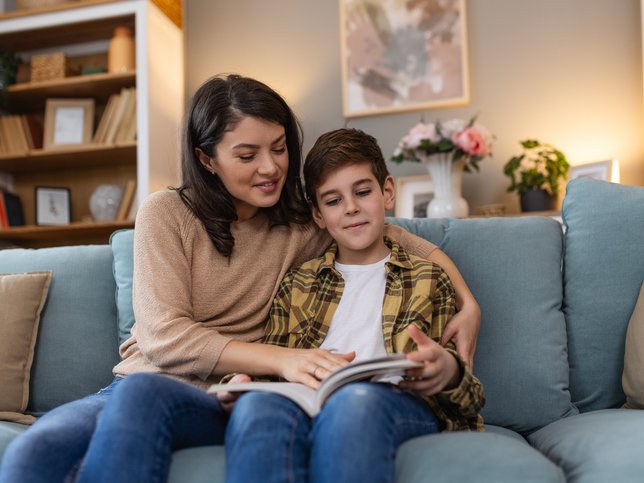
Read alongside your children
Buy age-appropriate books for your children and make time to read alongside them.
You can each read your own book or take turns reading the same story. Besides encouraging reading, this can also become valuable bonding time for parents and children.
Create a reading routine at home
Having books around the house can make reading more accessible to children. Set aside a specific time during the day or week when the family reads.
It could be before bedtime, after school or during a quiet weekend afternoon. The important thing is to make reading a regular part of the routine.
Talk to your children about what they read
Reading does not have to end when the book is closed. Parents can make reading more engaging by asking their children questions about the story, characters and what they think might happen next. This can help children develop their imagination, comprehension and critical-thinking skills.
Sethe suggests asking questions such as:
“What is happening in this book? What’s your favourite part? If you were the writer, how would you write the story?”
She says conversations like these encourage children to think beyond the words on the page and explore their imaginations.
Make use of reading apps and digital resources
Finding ways to combine technology with reading can help make books and literacy feel less like a chore and more like something enjoyable. However, Sethe says physical books have more benefits.
“Instead of letting them use their phones, because nowadays children just love being on their phones, we encourage parents to buy a physical copy of books. This will help the children to focus instead of logging in and being exposed to other apps,” says Sethe.
Ultimately, developing a love for reading takes consistency and intentionality. By creating a home environment where books are easily accessible and reading is encouraged, parents and guardians can help children build a stronger relationship with literacy from an early age.
Listen to Jacaranda FM:
- 94.2
- Jacaranda FM App
- http://jacarandafm.com
- DStv 858/ OpenView 602
Follow us on social media: