

Experts warn migration crackdown may fail without capacity and anti-corruption reforms
Security analysts have raised serious concerns about South Africa's ability to implement newly announced migration measures, warning that limited capacity, entrenched corruption, and lack of regional coordination could undermine government’s plans.
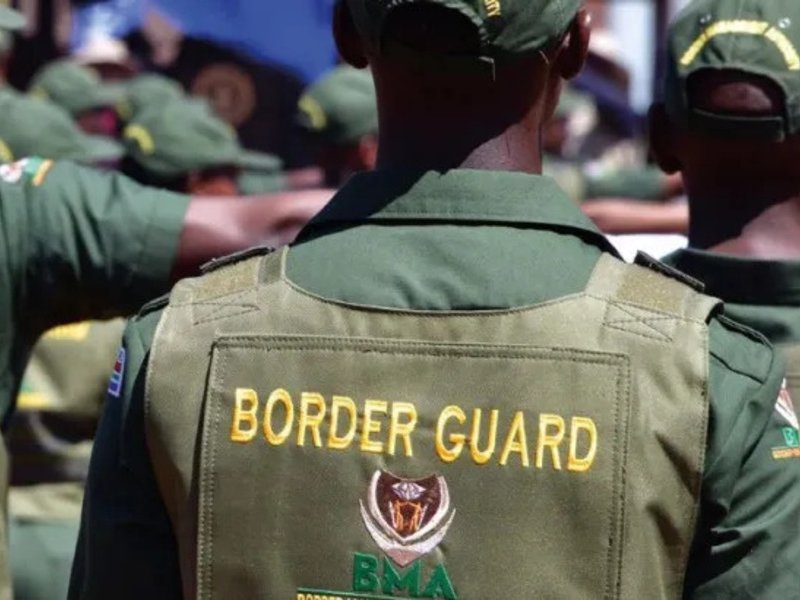
This after President Cyril Ramaphosa on Sunday night outlined a series of interventions aimed at tightening border control, intensifying deportations, and cracking down on corruption within the immigration system. The measures form part of government’s broader strategy to respond to growing public concern over illegal immigration.
However, Institute for Security Studies (ISS) analyst Willem Els said while the proposals may be well-intentioned, the state currently lacks the resources to execute them effectively.
"The BMA, which is supposed to implement these measures, is running at about 25% of the budget they actually need."
He explains that this shortfall severely limits the Border Management Authority's ability to enforce immigration laws, monitor ports of entry, and carry out large-scale deportation operations.
"Whatever capacity they have, they can only bolster with 25% of what is required. That means they will have to look at a more holistic approach, but more importantly, they will need proper financial backing to do their work."
Els said South Africa has a strong track record of developing policies and legislation, but struggles when it comes to implementation.
"South Africa is very good at drafting legislation and protocols, but we are very poor when it comes to actual enforcement. That is where the real challenge is going to be."
CORRUPTION A CENTRAL OBSTACLE
Beyond capacity constraints, Els identified corruption as one of the most significant drivers of illegal migration, describing it as a key tool used by organised crime syndicates.
"That is the most used tool by criminal syndicates – corruption. If they don’t corrupt officials, or what we call state-embedded actors, 90% of the people would not be able to come through."
He warns that corruption across multiple agencies – including immigration authorities, law enforcement, and border officials – continues to weaken government’s ability to control migration flows.
"The levels of corruption within Home Affairs, the BMA, the police, and even other structures are so high that it defeats every good measure that we put in place."
While Ramaphosa has committed to intensifying efforts to root out corruption, Els argues that tackling the problem will require more than policy announcements.
"The number one step should be to limit opportunities for corruption and to put up hurdles for both syndicates and officials. Without that, no system will function properly."
IMPACT ON KEY SECTORS
The President's plan also includes stricter inspections and penalties for industries that employ undocumented migrants, including agriculture, construction, and logistics.
Els said while regulation was necessary, enforcement would again depend on available resources and trained personnel.
"It's one thing to announce measures, but if you don’t back that up with financial resources, training, and proper equipment for inspectors, we are not going to be able to enforce."
He added that reliance on migrant labour is not unique to South Africa and must be addressed carefully to avoid unintended economic consequences.
"We see this globally – in countries like Australia as well. So yes, we must curb exploitation, but we must also ensure enforcement mechanisms are realistic and properly resourced."
ALSO READ
