

Foodborne disease threat looms over SA schools
Stakeholders have sounded the alarm over food safety risks in South African schools, as concerns grew that contaminated meals and poor hygiene practices may be putting millions of learners at risk of foodborne illness.
The webinar titled 'Strengthening food safety systems for safe and healthy school food environments in South Africa' brought together key role players to focus on improving food safety standards and reducing the risk of foodborne illnesses in schools.
The initiative was led by the Department of Basic Education, the Tiger Brands Foundation, and the Food Evolution Research Centre at the University of Johannesburg.
The discussion took place against the backdrop of ongoing foodborne disease outbreaks, which continued to pose a public health risk, particularly in school environments and feeding schemes.
Dr Nicola Page, Acting Head of the Centre for Enteric Diseases at the National Institute for Communicable Diseases, said South Africa was making progress in reducing diarrhoeal deaths, but warned that food safety remains a critical concern.
"We are seeing a sustained decline in diarrhoeal deaths since around 2007, largely due to interventions such as the rotavirus vaccine, improved HIV prevention programmes, and better water and sanitation."
However, Page stressed that foodborne diseases were still contributing significantly to illness, especially among older children and within communities.
"Foodborne disease prevention is essential if we want to reduce the burden of illness even further, particularly in older age groups."
She noted that pathogens such as salmonella, campylobacter and norovirus continued to drive infections, often through contaminated food.
"What we are seeing is that a fair number of outbreaks are occurring in schools and early childhood development centres."
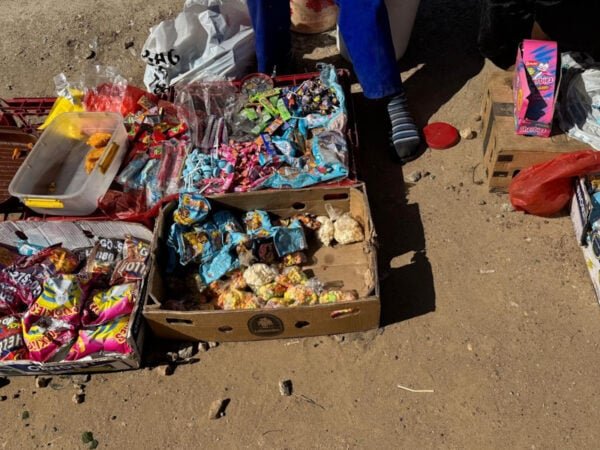
She explained that both school feeding schemes and food sold or distributed on school premises were contributing factors in some outbreaks.
"Some outbreaks are linked to snacks, while others are associated with feeding schemes. This highlights the need for stricter food safety controls across the board."
Page also raised concern about the underreporting of foodborne disease outbreaks in South Africa.
"What is being captured through surveillance systems likely represents only about three to four percent of the actual cases in the population."
She explained that delayed reporting and lack of available samples often hinder investigations.
"In many cases, outbreaks are reported too late, and by that time, there is no food left to test. This makes it difficult to identify the exact cause."
Despite these challenges, Page emphasised that reporting suspected outbreaks remains critical.
"If an outbreak is suspected, it must be reported immediately. This allows us to investigate, understand what went wrong, and prevent further infections."
She also underscored that outbreak investigations are not intended to assign blame.
"Our role is not to punish anyone, but to identify gaps, fix them, and protect public health."
The webinar focused on strengthening coordination between schools, health authorities, and food providers, while promoting practical interventions to improve food safety.
These include reinforcing basic hygiene practices, ensuring safe food storage, maintaining proper cooking standards, and using clean water and quality raw ingredients.
Page said schools and communities play a vital role in the early detection of outbreaks.
"If there is a sudden increase in absenteeism or symptoms such as vomiting and diarrhoea among learners, it should raise concern and trigger immediate investigation."
As South Africa continues to depend on school nutrition programmes to support pupils' wellbeing and academic performance, stakeholders said safeguarding food safety is essential.
Improved reporting systems, stronger oversight, and increased awareness are now being prioritised to reduce risks and protect learners.
"Schools and feeding schemes do contribute to foodborne disease outbreaks," Page says. "But with better awareness, timely reporting, and simple safety measures, we are able to significantly reduce these risks."
