

Health Department welcomes Jehovah's Witnesses' change on blood transfusions
The Department of Health has welcomed what it describes as a historic and significant decision by Jehovah's Witnesses to change their longstanding position on blood transfusions.
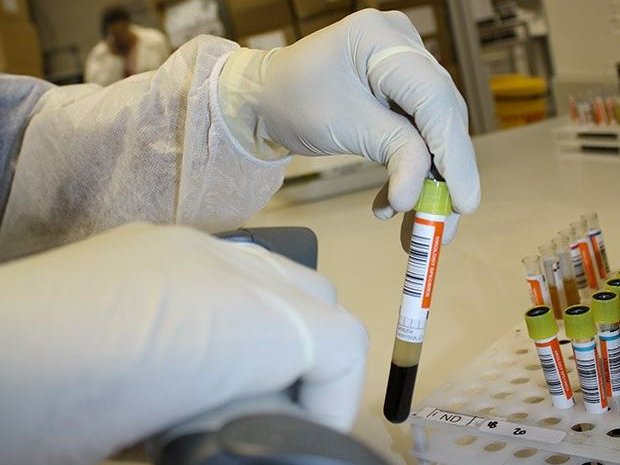
For decades, the religious prohibition on blood transfusions presented challenges for healthcare workers, particularly in emergency and critical-care situations where a transfusion can be a life-saving intervention.
Health Minister Dr Aaron Motsoaledi says the change represents a significant development for healthcare workers, although Jehovah's Witnesses continue to prohibit the transfusion of whole blood.
"We note that Jehovah's Witnesses still prohibit transfusion of whole blood, but we wish to reassure the nation that this prohibition is not of significance to the healthcare system. This is because doctors and hospitals or any other health facility have for decades discouraged the use of whole blood for ordinary transfusions."
Motsoaledi says whole blood is expensive and, in most cases, is not required for ordinary transfusions, with only limited circumstances requiring its use.
The minister has described the change by Jehovah's Witnesses as a "giant leap", saying it will ease a longstanding burden on healthcare workers.
The department says doctors have in the past been forced to approach the courts to obtain permission to administer blood transfusions to children whose parents objected to the procedure on religious grounds.
The development comes as South Africa's blood stocks remain under pressure, with government urging members of the public to donate blood regularly.
The South African National Blood Service (SANBS) needs about 3 500 units of blood every day to maintain a five-day supply across each blood group.
Government says blood cannot be manufactured and has a limited shelf life, making regular donations essential to maintaining supplies for hospitals and patients requiring transfusions.
Government spokesperson William Baloyi says the pressure on the country's national blood supply is concerning.
The Department of Health says blood transfusion remains an important medical intervention, particularly in cases involving severe blood loss, inadequate oxygen delivery and problems with haemostasis, which is the body's process of stopping bleeding.
A blood transfusion involves giving donated blood or specific blood components to a patient through a vein to replace blood that has been lost or to treat medical conditions affecting how blood functions.
The department says blood transfusions have saved millions of lives and enable doctors to perform complex medical procedures that could otherwise be unsafe.
The government is therefore continuing to encourage eligible members of the public to donate blood to help maintain adequate supplies for hospitals, particularly as the SANBS works to keep a five-day stock for each blood group.
The Department of Health says the change in position by Jehovah's Witnesses, together with continued public participation in blood donation, can help address some of the challenges facing healthcare workers and patients requiring blood products.
ALSO READ
