

Lebombo congestion: BMA and SARS strengthen KM7 operations as truck volumes surge
The Border Management Authority (BMA) and the South African Revenue Service (SARS) are strengthening operations at KM7 as exceptionally high truck volumes continue to cause congestion along the Lebombo corridor.
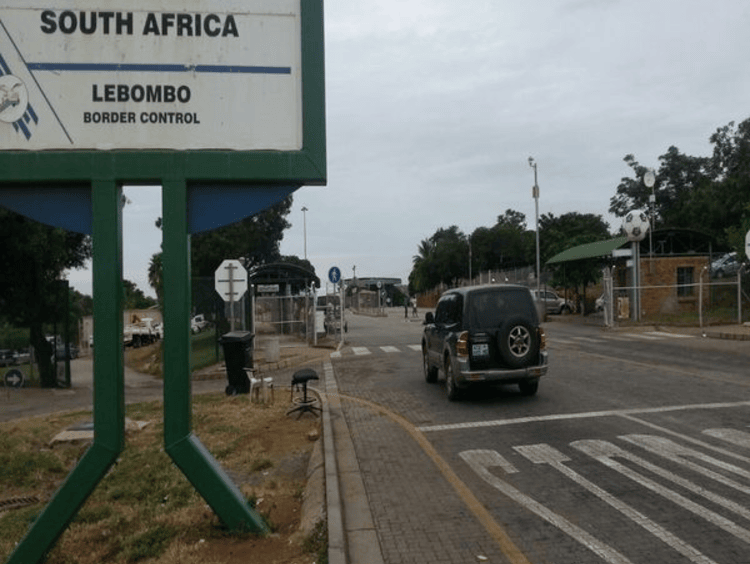
The two authorities say additional operational measures are being implemented at the designated logistics and processing facility, while South African and Mozambican officials work together to improve the movement of commercial traffic towards the Lebombo Port of Entry.
KM7 is located about 7 kilometres from the Lebombo/Ressano Garcia border post on the South African side, along the N4 towards Komatipoort.
The facility is used to assist in processing and managing commercial traffic, easing heavy truck and vehicle congestion heading into Mozambique.
The congestion has affected commercial traffic, travellers, communities along the corridor and the broader economy.
The BMA and SARS say the situation is being addressed through a combination of increased personnel, stronger coordination with Mozambican authorities and improved processing systems.
MOZAMBIQUE DEPLOYS OFFICIALS TO KM7
The BMA says the processing of trucks at KM7 is intended to operate as a joint arrangement between South African and Mozambican authorities.
The effectiveness of the facility depends on the availability of personnel, systems and operational arrangements from both countries.
From 15 to 17 September, the BMA, representatives from Mozambique, and the World Bank held a three-day engagement that included discussions on implementing a One-Stop Border Post model and upgrading and modernising border facilities on both sides of the border.
Following those engagements, Mozambique has deployed officials to KM7 to assist in processing truck drivers.
The BMA says it continues to deploy its own personnel to KM7 every day, including when Mozambican officials are not deployed or are unable to report for duty.
The authority says labour-related matters previously raised around deployment and working conditions at KM7 have also been addressed.
BMA spokesperson Mmemme Mogotsi, the Deputy Assistant Commissioner for Communications and Marketing, says the authority understands the frustration caused by the prolonged queues.
“We understand the economic importance of the Lebombo corridor and the urgency of ensuring that commercial traffic moves efficiently. However, our responsibility does not end with moving trucks through the border.”
Mogotsi says border officials must also ensure that people, goods and vehicles entering or leaving the country comply with South African laws and border-management requirements.
“We must also ensure that people, goods and vehicles entering or leaving the country comply with our laws and border-management requirements. This requires a balance between trade facilitation, enforcement, security and the integrity of our borders.”
She says the BMA is continuing to work with Mozambique to strengthen the joint operating model at KM7.
“The BMA has not withdrawn from KM7. Our officials continue to be deployed there to support operations. We are working with Mozambique to strengthen the joint operating model, while also implementing measures that will improve processing capacity and the overall management of commercial traffic.”
TRUCK VOLUMES PUT PRESSURE ON CORRIDOR
The increased focus on KM7 comes as truck volumes remain exceptionally high.
The BMA and SARS say truck traffic increases significantly towards the end of the week, particularly from Thursday to Sunday.
On 24 September, 1 690 trucks were processed.
A further 1 339 trucks were processed on 23 September, while 1 734 were processed on 22 September and 1 654 on 21 September.
The authorities say the highest daily total recorded during the past two weeks exceeded 1 800 trucks.
They say these figures show that significant processing capacity is being deployed, but the volume of vehicles arriving along the corridor at the same time is placing pressure on the available road and holding infrastructure.
The bypass at the port can accommodate about 50 trucks at a time.
When that capacity is exceeded, queues can extend back along the corridor.
The BMA and SARS say that once a truck reaches the appropriate processing point with the required documentation and systems in order, end-to-end processing through the relevant border and customs systems can be completed in less than five minutes.
They say the major challenge is therefore increasingly the volume of trucks arriving simultaneously and the resulting pressure on the road and holding areas.
Additional officials have been brought in from other ports and operational areas to support the response.
QUEUE JUMPING ADDING TO DELAYS
The authorities say several other factors are contributing to the congestion.
These include vehicle breakdowns, queue jumping, trucks arriving without the required SARS “Proceed to Border” authorisation and vehicles being double-parked around the BP garage.
Some drivers have also temporarily left their trucks in the roadway.
The BMA and SARS say there have been instances in which trucks have moved into lanes intended for oncoming traffic to bypass queues.
This has created road safety risks and resulted in accidents.
When accidents occur, roads may have to be temporarily closed while emergency services and vehicle recovery teams attend the scene, adding to congestion.
Trucks arriving with incomplete documentation can also require additional interventions before they can proceed with border processing.
The authorities say congestion on the Mozambican side, including at the bypass, also affects the flow of trucks approaching the Lebombo Port of Entry.
SARS EXPANDS AUTOMATION AT KM7
SARS is also strengthening its customs operations along the Lebombo corridor, with processing taking place at multiple locations, including Building 310 and the canopy processing area.
The revenue service is in the advanced stages of finalising automated processing arrangements at KM7.
Eight Automatic Number Plate Recognition cameras have been installed to monitor cargo movements between KM7 and KM4.
Four boom gates were installed at KM7 during the past week.
A goose-neck facility has also been installed to support scanning of customs declarations and facial recognition.
SARS says the automation programme is intended to improve the movement and monitoring of trucks while strengthening the authorities' ability to identify and manage risks.
SARS Commissioner Dr Johnstone Makhubu says customs controls and revenue collection remain an important part of the border-management process.
“Our objective is to facilitate legitimate trade as efficiently as possible while ensuring that the necessary customs, revenue and enforcement controls are maintained.”
Makhubu says automation will increasingly allow compliant cargo to be processed more efficiently, while officials can focus their interventions on identified risks.
He says that processing a compliant truck through the end-to-end systems in less than five minutes demonstrates the systems' capacity.
He says the challenge is increasingly managing the high volume of traffic approaching the border and ensuring that infrastructure and traffic-management arrangements keep pace with demand.
ONE-STOP BORDER POST REMAINS LONG-TERM GOAL
The BMA and SARS say the immediate operational measures at KM7 form part of a broader response to the pressure on the Lebombo corridor.
They acknowledge that operational interventions alone will not address the long-term structural pressure created by growing commercial traffic.
The authorities are therefore pursuing longer-term measures to expand and modernise border infrastructure and increase the capacity of the corridor.
The implementation of a One-Stop Border Post remains a key strategic objective.
The model would strengthen coordination between South African and Mozambican authorities, reduce duplication and improve the movement of commercial traffic.
The redevelopment of the Lebombo port and other infrastructure upgrades are also being pursued.
The expansion of rail capacity is among the longer-term interventions being considered to provide additional options for moving goods and reduce pressure on the road network.
Automation is also expected to play an increasingly important role in improving border-processing efficiency.
OPERATORS URGED TO COMPLY
The BMA and SARS say a multi-agency response is continuing along the corridor.
Additional officials have been deployed from other ports and operational areas, while the authorities continue to work with Mozambique, the South African Police Service, traffic authorities, the Cross-Border Road Transport Agency, the World Bank, and other stakeholders.
Truck operators and drivers are being urged to comply with traffic-management and border-processing requirements.
They have been warned against jumping queues, driving into oncoming traffic, parking indiscriminately or proceeding to the Port of Entry without the required documentation and authorisation.
Operators have also been urged to ensure that vehicles are roadworthy and that all required documentation is complete before trucks enter the corridor.
The BMA and SARS say they are treating the congestion with urgency and will continue implementing immediate measures at KM7 while progressing with longer-term plans for a modern, integrated and automated One-Stop Border Post.
The two authorities say they are closely monitoring the situation and will continue communicating with stakeholders as new information becomes available.
