

South Africa, Eswatini to sign revised Komati River basin treaty
South Africa and Eswatini are set to strengthen cooperation over shared water resources with the signing of a revised treaty governing the management of the Komati River Basin.
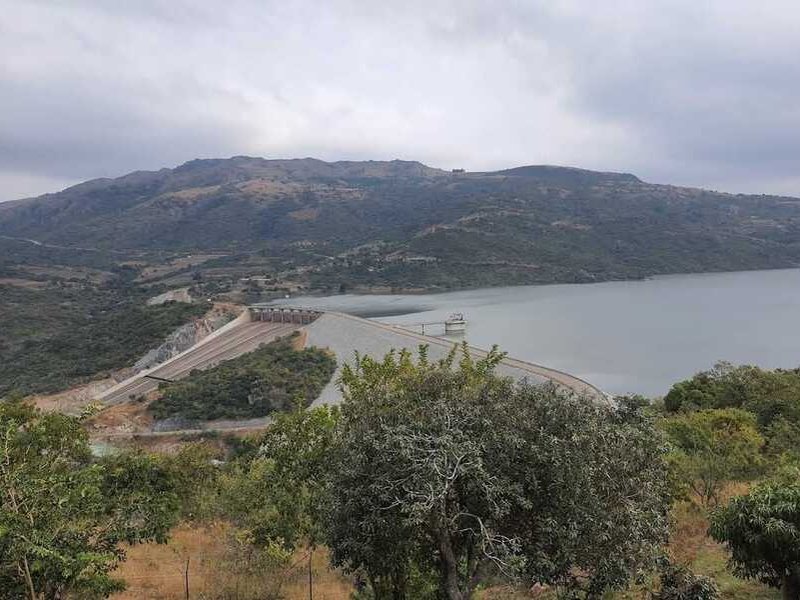
The Minister of Water and Sanitation, Pemmy Majodina, together with Eswatini’s Minister of Natural Resources and Energy, Prince Lonkhokhela Dlamini, will formally sign the revised treaty at Maguga Dam in Eswatini on Friday.
According to the Department of Water and Sanitation, the signing marks an important step towards improving the management of shared water resources between the two countries.
Departmental spokesperson Wisane Mavasa says the agreement will also improve river flow monitoring and ensure compliance with statutory water flow obligations to downstream Mozambique.
"The meeting seeks to strengthen bilateral relations between South Africa and Eswatini, enhance river flow monitoring on the shared water resources, and ensure compliance with the statutory Mozambican water flows.
"The signing of the revised treaty marks a new chapter in the sustainable development and management of the Komati River Basin. It will enable the member states to venture into future dam projects and undertake revenue generation initiatives that will benefit citizens and ensure financial sustainability."
The Komati Basin Water Authority was established in 1992 through the original treaty between South Africa and Eswatini.
The first phase included the design, construction and operation of the Driekoppies Dam in South Africa and Maguga Dam in Eswatini.
The Komati River Basin forms part of a shared water system between South Africa, Eswatini and Mozambique.
The basin includes the Mlumati and Komati rivers, which later join the Crocodile River downstream.
Under the existing arrangement, water stored at Maguga Dam is shared between South Africa and Eswatini on a 60/40 per cent basis, while Driekoppies Dam is used exclusively by South Africa.
Officials say the revised treaty will help ensure sustainable management of the shared water resources while supporting economic development and long-term water security in the region.
ALSO READ
